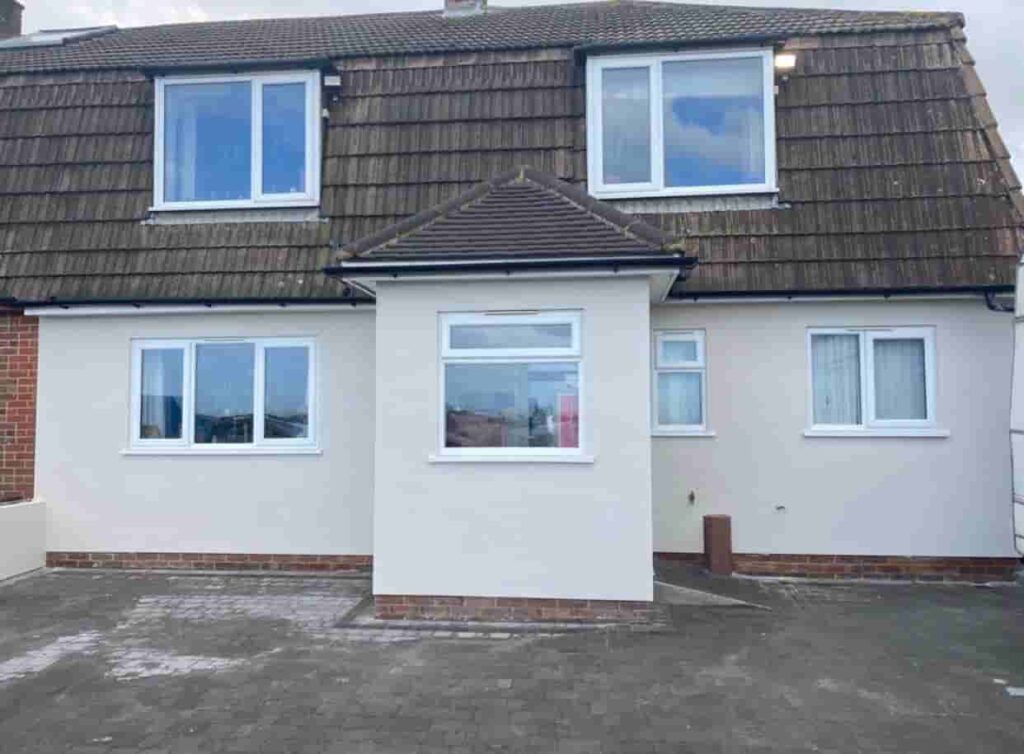
A persistent roof leak can be frustrating, particularly when damp patches keep returning despite attempts to resolve the problem. Water may enter through damaged tiles, defective flashing, deteriorating roof coverings or blocked drainage points. However, the place where water appears indoors is not always directly beneath the defect, making the source difficult to identify.
For homeowners in Thetford, Norfolk, finding the cause of a recurring roof leak is essential to preventing further damage to ceilings, insulation and roof timbers. Understanding the common warning signs can help you recognise when professional roof leak repairs are needed.
Common Causes of Persistent Roof Leaks
Before a leak can be repaired effectively, it is important to establish how water is entering the property. Several roofing defects can allow moisture through, and more than one issue may be contributing to the problem.
1. Broken, Missing or Slipped Roof Tiles
Roof tiles form the first line of defence against rainwater. If tiles crack, slip out of position or go missing, gaps can develop in the roof covering and expose the layers beneath.
Leaks caused by damaged tiles may become more noticeable after heavy rainfall or strong winds. From a safe position, look for visible gaps, uneven rows of tiles or fragments on the ground. Avoid climbing onto the roof, as damaged coverings can be unstable.
A professional roofer can inspect the affected area, check nearby tiles and determine whether replacement or repositioning is sufficient.
2. Damaged Roof Flashing
Flashing helps seal vulnerable junctions around chimneys, roof windows, walls and other roof features. If it cracks, lifts or separates from adjoining materials, rainwater can enter through these gaps.
A leak near a chimney or the edge of an extension may suggest a flashing defect, although the water could have travelled from another part of the roof. An inspection of the junctions and surrounding materials can help establish the actual source.
3. Blocked Gutters and Roof Drainage
Gutters and drainage outlets help direct rainwater away from the building. When leaves, moss and other debris obstruct the flow, water may overflow or collect where it can affect nearby roof components and external walls.
Look for overflowing gutters during rainfall, visible debris or dampness around the roofline. Clearing accessible drainage points can help, but work at height should be left to someone with suitable equipment and experience.
Persistent leaks should still be investigated, as blocked gutters may not be the only cause.
4. Deteriorating Flat Roof Coverings
Flat roofs can develop splits, cracks, blisters or failing seams as their materials age and weather exposure takes its toll. Water may enter through these defects or around vulnerable edges and junctions.
Signs of a flat roof leak can include damp ceilings beneath an extension or garage, recurring water stains or visible damage to the roof covering. Persistent pooling may also indicate a drainage problem or an uneven surface.
A professional assessment can establish whether localised repairs are appropriate or whether the deterioration is more extensive.
5. Condensation Mistaken for a Roof Leak
Not every damp patch originates from rain entering through the roof. Condensation can develop when warm, moist air meets cold surfaces, particularly in poorly ventilated loft spaces.
Signs that condensation may be contributing include widespread moisture on roof timbers, droplets beneath the roof covering or dampness that does not clearly correspond with rainfall. However, condensation and a genuine roof leak can occur at the same time.
If the cause is uncertain, a professional inspection can help distinguish between water ingress and moisture associated with ventilation or indoor humidity.
How to Investigate a Roof Leak Safely
Look for Patterns Indoors
Notice when the leak occurs and where the symptoms appear. Damp patches that worsen after rainfall may suggest water ingress, while recurring moisture in a loft may require closer investigation.
Check accessible areas for water staining, peeling paint, damp insulation or visible drips. Do not enter a loft if the ceiling appears unstable, water is near electrical equipment or access is otherwise unsafe.
Inspect the Loft from a Safe Position
If the loft can be accessed safely, look for obvious signs of moisture without touching electrical fittings or walking on unsupported ceiling surfaces. Water staining on timbers or wet insulation may help indicate the affected area.
Remember that water can travel along rafters and other surfaces before dripping onto a ceiling. The point where the leak becomes visible indoors may therefore be some distance from the entry point.
Avoid Temporary Fixes That Hide the Problem
Painting over damp marks or sealing a visible gap without identifying the underlying defect may only conceal the symptoms. If water continues to enter, damage can spread to surrounding materials.
Temporary measures may help limit minor water damage where safe, but they should not replace a proper inspection and suitable repair.
Why Professional Roof Leak Repairs Matter
A persistent leak often requires more than a quick visual check. A roofer can inspect tiles, flashing, roof junctions and drainage components to identify defects that may not be visible from the ground.
Once the source has been established, the repair can be matched to the problem. This may involve replacing damaged tiles, repairing flashing, addressing a defect in a flat roof covering or resolving another issue affecting the roof’s weather resistance.
Finding and correcting the underlying cause helps reduce the likelihood of the same leak returning and allows any related damage to be identified.
Roof Leak Repairs in Thetford, Norfolk
Recurring leaks should not be ignored, even when the amount of water appears small. Early investigation can help prevent moisture from affecting roof timbers, insulation and internal finishes.
Thetford Roofing Repairs can help homeowners in Thetford, Norfolk, identify roofing defects and determine the appropriate repair work. If you have noticed persistent damp patches, water entering the loft or a leak that returns after rainfall, contact Thetford Roofing Repairs to discuss your concerns and arrange a professional assessment.
Conclusion
Persistent roof leaks can result from damaged tiles, defective flashing, blocked drainage, deteriorating flat roof coverings or condensation. Identifying the correct cause is essential because the visible signs inside a property do not always reveal where the water is entering.
If your roof continues to leak, arranging a professional inspection can help establish the source and prevent further deterioration. Contact Thetford Roofing Repairs for assistance with roof leak repairs in Thetford, Norfolk.
Call us on: 01842 770 789
Click here to find out more about Thetford Roofing Repairs
Click here to complete our contact form and see how we can help with your roofing needs.