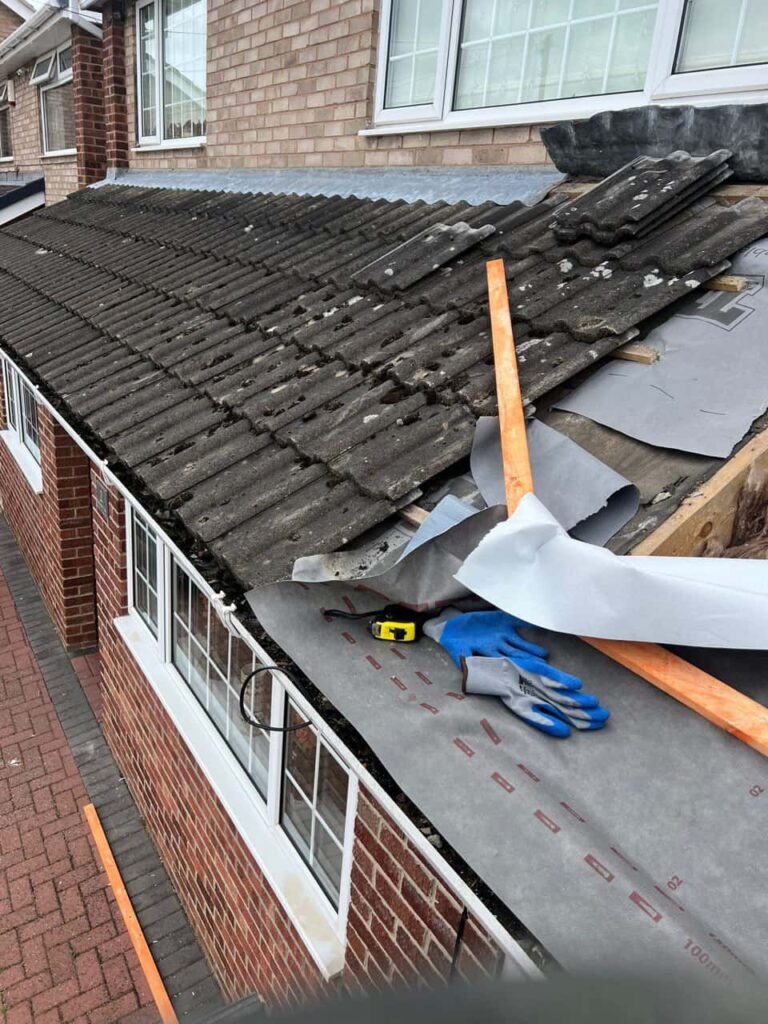
Roof tiles around the edges of a property play an important role in protecting the building from wind and rain. Although these areas may appear similar to the rest of the roof, their position makes them particularly exposed to changing weather conditions. When tiles become loose, shift out of alignment or lose their secure fixing, the surrounding roof structure can become more vulnerable to water penetration and further damage.
For homeowners in Thetford, Norfolk, recognising the importance of roof edge inspections can help prevent minor tile movement from developing into more serious roofing problems. Understanding what causes this movement, which warning signs to look for and when professional attention is needed can make a significant difference to the condition of a roof.
Why Roof Edge Tiles Are Particularly Vulnerable
The edges of a roof are exposed to wind from different directions, making them susceptible to pressure and uplift during unsettled weather. Strong gusts can place additional strain on tiles, particularly where fixings have deteriorated or the original installation has become less secure.
Gable edges, verges and eaves each have their own roofing details and requirements. Depending on the roof design, tiles may rely on mechanical fixings, clips, mortar bedding or specialist verge systems to maintain their position. If these components weaken, individual tiles can begin to move.
Ageing materials, repeated exposure to rain and temperature changes can also contribute to deterioration. Even relatively small movements should not be ignored, as a displaced tile may leave parts of the roof more exposed to the elements.
Warning Signs That Roof Tiles May Have Shifted
Tile movement is not always easy to identify from ground level, but certain visible signs may indicate that an inspection is needed.
Look out for:
- Tiles that appear uneven or no longer follow the straight lines of the roof.
- Gaps along the verge or roof edges where tiles have moved away from their intended position.
- Missing tiles or pieces of broken roofing material around the property.
- Loose or deteriorating mortar along traditional verge details.
- Visible damage to the roofline following periods of strong wind or heavy rainfall.
It is also worth paying attention to damp patches around upper walls, ceilings or roof spaces. Although these symptoms can have several causes, damaged or displaced edge tiles may allow rainwater to enter areas that should remain protected.
Homeowners should avoid climbing onto the roof to investigate suspected movement. A professional inspection provides a safer way to assess the condition of the tiles and their supporting details.
How Tile Movement Can Affect the Rest of the Roof
A tile that has shifted out of position may expose the underlay, battens or neighbouring roofing materials to increased weather exposure. If rainwater gets beneath the covering, it can affect the roof structure and potentially lead to dampness within the property.
Movement can also place additional strain on adjacent tiles. Where one tile becomes loose, surrounding tiles may be disturbed, particularly if their alignment or fixing arrangements are affected. This can create a wider area of instability rather than leaving the problem isolated to a single tile.
At the roof edges, defective details can also compromise the way rainwater is directed away from the building. This makes it important to assess the complete affected section rather than simply repositioning the most obvious loose tile.
Why a Thorough Inspection Is Important
A proper inspection looks beyond the visible position of the tiles. A roofing professional will consider the condition of the affected tiles, their fixings and the surrounding edge details to establish why movement has occurred.
For example, a loose tile may be the result of a failed fixing, deteriorated mortar, damaged battens or problems with the verge system. Identifying the underlying cause helps determine the most appropriate repair and reduces the likelihood of the same issue returning.
The inspection should also consider nearby tiles and the general condition of the roof covering. This is particularly useful where movement has occurred after strong winds, as neighbouring sections may have experienced similar stress.
Thetford Roofing Repairs can assess roof edge concerns in Thetford, Norfolk, helping homeowners understand the condition of their roofing materials and whether repairs are necessary.
Preventing Further Problems Through Timely Roof Repairs
Addressing tile movement promptly can help maintain the roof’s ability to protect the property. Depending on the findings, repairs may involve securing or replacing individual tiles, renewing damaged fixings, repairing mortar bedding or correcting defective verge details.
The correct approach depends on the roof’s construction and the materials already in place. Using suitable components and ensuring that tiles are properly aligned and secured are essential parts of achieving a reliable repair.
Regular roof inspections can also help identify early signs of deterioration before they become more disruptive. This is particularly worthwhile after periods of severe weather or when a roof is showing signs of age.
Conclusion
Tile movement around roof edges should never be dismissed as a minor cosmetic issue. Loose or displaced tiles can expose vulnerable parts of the roof to rain and wind, potentially affecting neighbouring materials and the wider roof structure. Careful inspection helps establish the cause of the movement and ensures that any necessary repairs address the underlying problem.
If you have noticed uneven tiles, damaged verge details or signs of movement around your roof, Thetford Roofing Repairs can help. Contact the team to arrange a professional roof inspection in Thetford, Norfolk, and establish the most suitable way to keep your roof in good condition.
Call us on: 01842 770 789
Click here to find out more about Thetford Roofing Repairs
Click here to complete our contact form and see how we can help with your roofing needs.