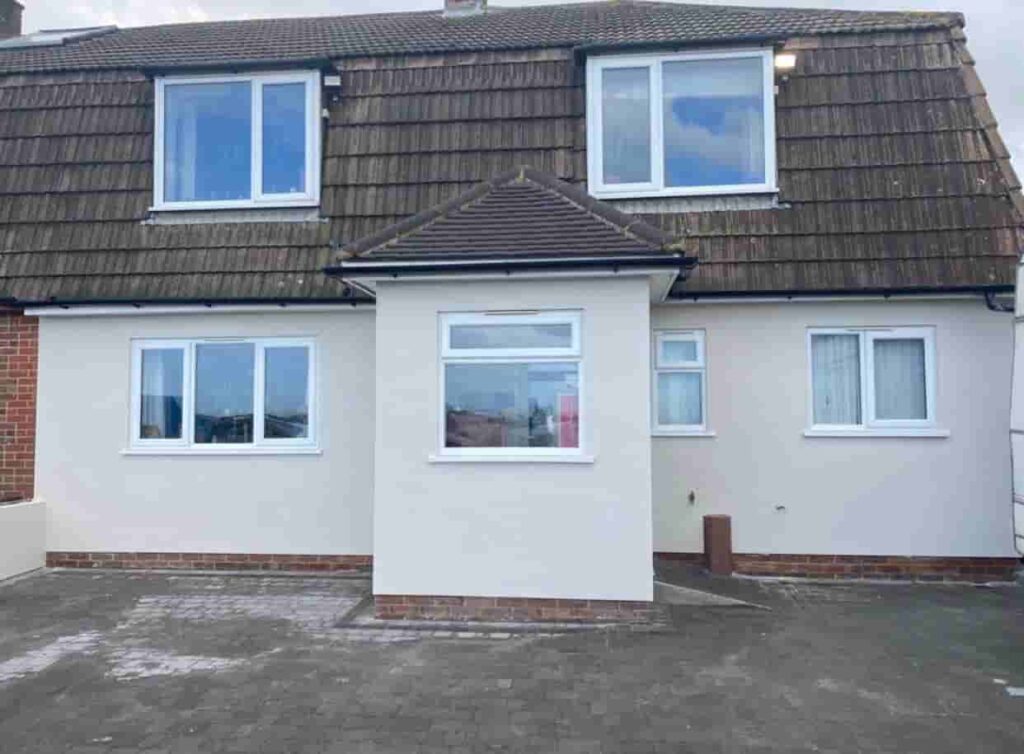
When a roof develops a problem, replacement is not always necessary. In many cases, a well-planned professional repair can restore reliable protection and extend the useful life of the existing roof. The important point is that the repair must address the actual cause of the problem rather than simply covering the most obvious symptom.
For property owners in Thetford, Norfolk, understanding when roof repair represents a sensible long-term decision can help prevent minor defects from developing into more widespread deterioration. The condition of the surrounding roof, the cause of the damage and the quality of the repair all play an important role.
When Is Roof Repair a Good Long-Term Solution?
A roof repair is most effective as a long-term solution when the damage is limited, the wider roofing system remains serviceable and the underlying cause can be properly identified and corrected.
For example, an isolated slipped tile, damaged section of flashing or localised defect does not necessarily indicate that the entire roof is failing. If the surrounding materials remain secure and in good condition, repairing the affected area can restore the roof without unnecessary disruption to otherwise sound sections.
The decision should therefore be based on the overall condition of the roof rather than the presence of one visible problem.
The Cause of the Damage Must Be Identified
One of the most important characteristics of a dependable roof repair is accurate diagnosis.
Water entering a property does not always originate directly above the visible damp patch. It can travel beneath tiles, along underlay or through roof junctions before becoming noticeable internally. Replacing a tile near the damp area without identifying the true entry point may therefore fail to resolve the problem.
A professional roof inspection considers how water could be entering and examines surrounding components for related weaknesses. Once the cause has been established, the repair can be designed to address the problem properly rather than temporarily concealing it.
The Surrounding Roof Should Be in Serviceable Condition
A local repair makes most sense when the rest of the roof remains capable of performing effectively.
Before recommending targeted work, it is useful to assess the condition of nearby tiles or slates, fixings, underlay, battens and roof details. If these components remain sound, repairing a defined area can be a practical way to maintain the roof’s performance.
Where deterioration is widespread, however, repeatedly repairing isolated sections may provide diminishing benefits. This is why assessing the wider condition of the roof is an essential part of deciding whether repair represents a genuinely long-term solution.
Early Repairs Can Limit the Spread of Damage
Roof defects rarely improve without attention. A small opening that allows moisture beneath the covering can gradually affect a larger area if left unresolved.
Water penetration may eventually affect underlay, battens and other supporting components. Likewise, a loose tile can become increasingly vulnerable during periods of poor weather.
Addressing a defect while it remains contained can help preserve surrounding materials. In this respect, the timing of the repair can be just as important as the repair itself.
The Repair Should Address More Than the Visible Symptom
Effective roofing work involves understanding why a component failed.
If a tile has slipped, for example, simply repositioning it may not be sufficient if the fixing has deteriorated. Similarly, replacing damaged material around a roof junction will have limited value if the detail responsible for allowing water through remains defective.
A long-lasting repair should deal with both the visible damage and the reason it occurred. This approach reduces the likelihood of the same problem returning shortly afterwards.
Compatibility With the Existing Roof Matters
Repair materials need to work effectively with the existing roofing system.
Tiles, slates, flashing and other components form part of an interconnected structure designed to shed water safely. Poorly matched materials or inappropriate repair methods can create new weak points rather than resolving the original defect.
Professional roofing repairs take the existing roof construction into account. This helps ensure that repaired sections integrate correctly with surrounding materials and continue to perform as part of the complete roofing system.
Good Workmanship Is Essential for Lasting Results
Even a relatively small roof defect requires careful workmanship.
Tiles need to be correctly positioned and secured, flashing must be properly formed, joints need appropriate detailing and repaired areas must continue to direct rainwater effectively away from vulnerable points.
Short-term patching can sometimes disguise a problem without restoring proper roof performance. A professional repair should instead aim to return the affected section to a reliable condition while preserving the integrity of the surrounding roof.
Roof Details Often Determine Whether Repairs Last
Some of the most vulnerable areas of a roof are not the large open sections of tiles or slates but the points where different components meet.
These can include valleys, ridges, flashing, roof penetrations and other junctions. Because these areas have to manage changes in direction and movement while remaining weather-resistant, small defects can sometimes cause significant water ingress.
A thorough repair should therefore consider the detailing around the damaged area rather than concentrating exclusively on the roof covering itself.
Previous Repair History Provides Useful Information
How a roof has behaved over time can help determine whether another repair is appropriate.
If a roof has generally performed reliably and develops one isolated defect, targeted repair may be entirely sensible. If new problems continually appear across different areas, however, it becomes important to understand whether the defects are connected to wider deterioration.
Reviewing the pattern of previous problems helps distinguish between an isolated failure and a roof that may require more comprehensive attention.
Repairs Should Restore Reliable Weather Protection
The purpose of roofing is not simply to look complete from ground level. Its primary role is to protect the property from the weather and direct water safely away.
A successful repair should therefore restore this function. That means checking that the affected area is secure, correctly detailed and capable of working with surrounding roof components.
When these conditions are achieved, a repair can make an important contribution to extending the serviceable life of the roof.
Why a Detailed Roof Inspection Matters
The quality of the decision depends heavily on the quality of the initial assessment.
A roof inspection can establish whether damage is genuinely localised, whether surrounding materials remain sound and whether there are additional weaknesses that should be addressed at the same time.
This is particularly valuable when the source of a leak is not immediately obvious. Instead of carrying out speculative work, a detailed assessment allows repairs to be focused on the areas that actually require attention.
For homeowners in Thetford, this can provide a much clearer understanding of the roof’s condition before any work is undertaken.
When Repeated Repairs Need Further Investigation
Roof repairs can be an excellent long-term option, but continually repairing different sections without investigating the wider condition of the roof is less effective.
If leaks keep returning, tiles regularly become loose or new defects appear in different locations, the pattern itself deserves attention. It may indicate deterioration affecting a larger section of the roofing system.
At this stage, a broader assessment can determine whether further targeted repairs remain appropriate or whether the roof requires a more comprehensive approach.
Professional Roof Repairs in Thetford, Norfolk
At Thetford Roofing Repairs, we understand that an effective repair begins with identifying what has caused the problem. Our approach is to assess the affected area alongside the surrounding roof so that the recommended work reflects its actual condition.
Whether the issue involves damaged roofing materials, water ingress or deterioration around an important roof detail, careful investigation allows the repair to be planned with lasting performance in mind.
Conclusion
A roof repair becomes a sensible long-term decision when the damage is clearly understood, the wider roof remains serviceable and the work addresses the underlying cause rather than only the visible symptom.
Timely intervention, suitable materials, careful detailing and professional workmanship can all help preserve an existing roof and prevent localised defects from becoming more extensive.
If you have noticed a roofing problem at your property in Thetford, Norfolk, contact Thetford Roofing Repairs to arrange a professional assessment. We can establish the cause and extent of the issue and recommend an appropriate repair based on the condition of your roof.
Call us on: 01842 770 789
Click here to find out more about Thetford Roofing Repairs
Click here to complete our contact form and see how we can help with your roofing needs.