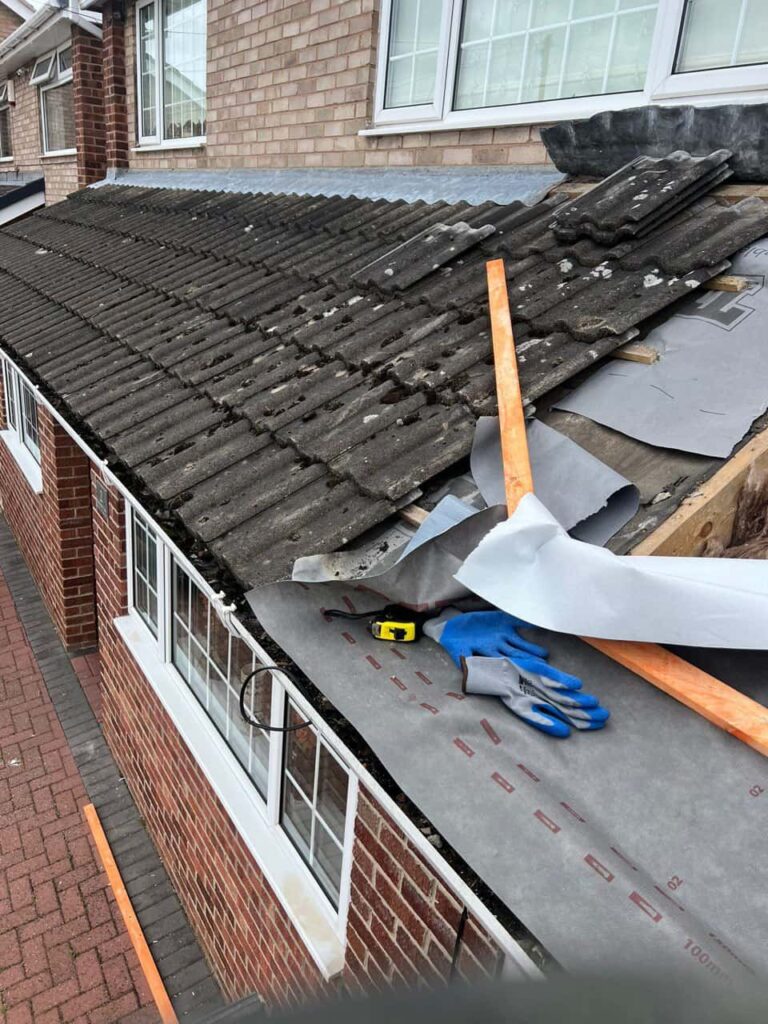
A roof tile does not need to be cracked or visibly damaged to move out of position. In many cases, the tile itself remains perfectly serviceable, but the components responsible for holding it in place have weakened or failed.
A slipped tile can expose the underlay and battens beneath the roof covering, creating a potential route for water ingress. It may also place additional pressure on neighbouring tiles or fall further during strong winds. For property owners in Thetford, Norfolk, understanding why intact roof tiles slip can help ensure the underlying problem receives the correct attention.
Why Undamaged Roof Tiles Can Move Out of Position
Roof tiles form part of a complete system that includes fixings, battens, underlay, mortar and adjoining roof details. When one of these supporting elements deteriorates, an intact tile may no longer remain securely positioned.
Corroded or Failed Fixings
Many roof tiles are secured with nails, clips or other mechanical fixings. These components are exposed to changing temperatures and moisture throughout the life of the roof.
Metal fixings can gradually corrode, loosen or fail, allowing the tile to move even though its surface remains undamaged. This is more likely to affect older roofs or sections where moisture has repeatedly reached the fixing points.
Replacing the displaced tile without examining its fixing may result in further movement later.
Deteriorated Roofing Battens
Tiles are supported by horizontal timber battens beneath the roof covering. If a batten becomes weakened by age, prolonged moisture exposure or decay, it may no longer provide a secure fixing point.
Damage to battens is usually concealed beneath the tiles. A professional inspection may therefore be required to establish whether one slipped tile is an isolated problem or an indication of deterioration below the surrounding area.
Strong Wind and Wind Uplift
Wind can create upward pressure beneath tiles, particularly around roof edges, ridges, verges and exposed sections. A tile with a weakened fixing may lift slightly and then settle back in the wrong position.
The tile can remain unbroken while losing its correct overlap with neighbouring tiles. Even a small change in position may affect how rainwater travels down the roof.
Movement Within the Roof Structure
Roof structures can experience gradual movement over time. Minor changes in the battens, rafters or supporting structure may alter the alignment of the roof covering and cause individual tiles to shift.
One displaced tile does not necessarily indicate a major structural problem. However, several slipped tiles, uneven roof lines or recurring movement in the same area warrant closer investigation.
Deteriorating Mortar
Certain tiles at ridges, hips and verges may rely partly on mortar for support. As mortar ages, it can crack, crumble or separate from the tiles.
The tile itself may remain intact but become loose because the surrounding mortar no longer holds it securely. Simply pressing it back into position will not restore dependable support. The deteriorated bedding or pointing must be assessed and repaired appropriately.
Poor Previous Installation
Tiles may slip when they were not correctly fixed during the original installation or a previous repair. Incorrect spacing, insufficient fixings and unsuitable replacement tiles can all prevent the roof covering from interlocking as intended.
A tile that looks similar to the surrounding covering may have a different profile or fixing arrangement. If it does not sit correctly, it may gradually move under normal weather exposure.
Foot Traffic and Previous Roof Work
Accessing a roof without distributing weight correctly can disturb otherwise sound tiles. Maintenance work around chimneys, gutters, roof windows or aerials may leave nearby tiles slightly raised or out of alignment.
Movement may not be obvious immediately. The affected tile can shift further during later periods of wind or rain, making the cause appear unrelated to the earlier work.
Moss and Debris Beneath the Tiles
Moss, leaves and other debris can accumulate around tile edges and beneath overlaps. As the material builds up, it may lift a tile or interfere with its correct seating.
Organic growth can also retain moisture around fixings and battens. Removing visible moss alone may not resolve the issue if the tile has already moved or the supporting components have deteriorated.
Why a Slipped Tile Should Not Be Ignored
A displaced tile can interrupt the designed overlap that directs rainwater down the roof. The exposed area may allow water to reach the underlay, battens and roof space, particularly during wind-driven rain.
Warning signs that require attention include:
- A visible gap within the roof covering
- A tile sitting lower than neighbouring tiles
- Debris or a tile fragment found below the roof
- Damp patches appearing after rainfall
- Daylight visible from within the roof space
- Repeated movement in the same section
- Several tiles becoming uneven or misaligned
Prompt inspection can often keep the work focused on the affected area before moisture damages the materials beneath it.
Why Professional Diagnosis Matters
The visible tile may not be the only component requiring attention. A lasting repair depends on understanding whether the movement resulted from a failed fixing, damaged batten, deteriorated mortar or wider problem with the roof covering.
Thetford Roofing Repairs can inspect slipped roof tiles in Thetford, Norfolk, identify why they have moved and assess the surrounding materials. This allows the repair to address the cause rather than simply returning the tile to position temporarily.
Conclusion
Roof tiles can slip without breaking when their fixings, battens, mortar or surrounding support deteriorate. Wind uplift, structural movement, debris and poor previous installation can also cause an intact tile to move.
Although the tile may still look usable, the gap it leaves can expose vulnerable parts of the roof to moisture. If you have noticed a slipped or uneven tile in Thetford, Norfolk, contact Thetford Roofing Repairs to arrange a professional assessment and determine the appropriate repair.
Call us on: 01842 770 789
Click here to find out more about Thetford Roofing Repairs
Click here to complete our contact form and see how we can help with your roofing needs.